A systematic quantification and correlation of oxygen transfer coefficients and interfacial area in simulated model hydrocarbon‐based bioprocesses in stirred tank reactors
First published:21 January 2016
https://doi.org/10.1002/jctb.4897
Citations: 6
Background.
Hydrocarbons are attractive substrates for bioconversion to an expansive range of commodity products. Since these are aerobic bioprocesses, an overall volumetric oxygen transfer coefficient (KLa) which facilitates sufficient oxygen transfer is critical to their optimum operation, design and scale‐up.
Results.
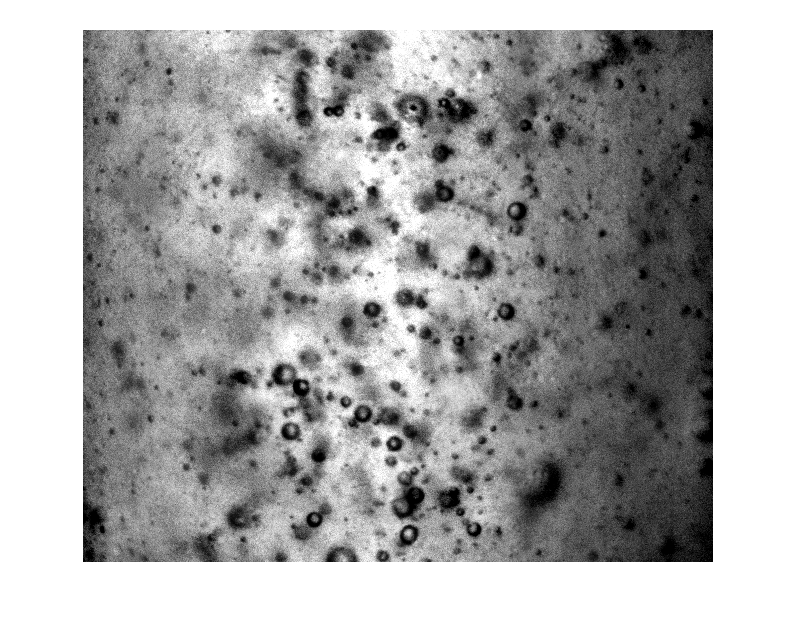
The significant parameters influencing KLa, the oxygen transfer area and the oxygen transfer coefficient (KL) were identified in simulated model hydrocarbon‐based bioprocesses comprising alkane–aqueous dispersions with suspended yeast using a rigorous statistical approach. KLa was measured using the dynamic procedure incorporating the probe constant. Transfer area was determined using photography and image analysis. Concurrent determination and correlation of KLa, KL and transfer area, under regimes defined by agitation rate and yeast and alkane concentration, facilitated quantification of the dominant causative factor underpinning KLa behaviour as the Sauter mean diameter or KL, depending on the operational regime. Potential mechanisms which corroborate these results have been discussed.
Conclusion.
The systematic identification, quantification and correlation of the parameters and mechanisms impacting on KLa in hydrocarbon‐based bioprocesses, and the comprehensive and statistically validated empirical data, provide an expedient platform to support future development of a fundamental model for the prediction of KLa in these systems.
The full article is available here: https://onlinelibrary.wiley.com/doi/abs/10.1002/jctb.4897
 Engineering Type